
Standing Against New Offshore Oil and Gas Leasing: RRI and Partners Call for a Halt to BOEM’s Proposed Program
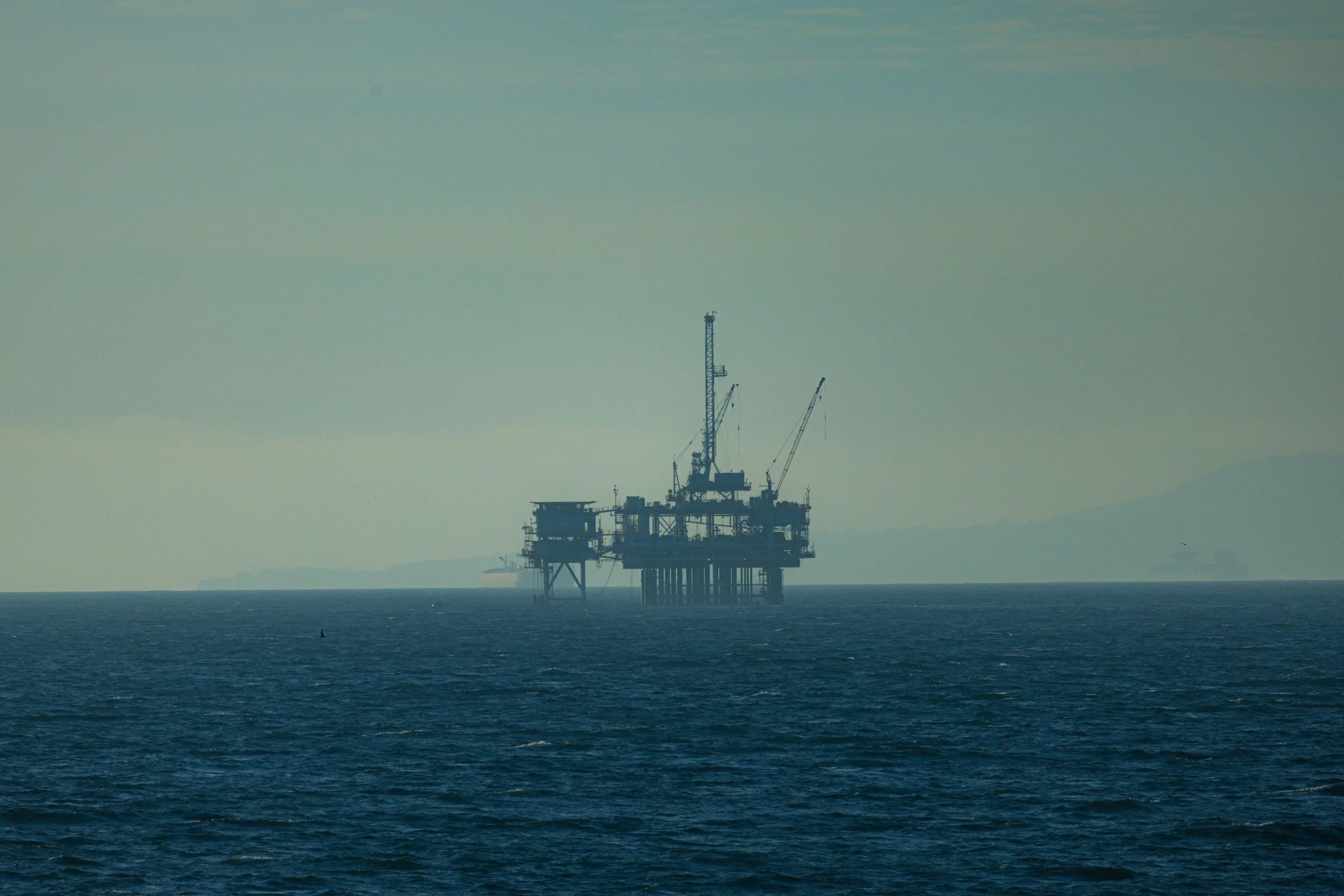
We joined 77 leading environmental organizations to submit strong comments to the Bureau of Ocean Energy Management (BOEM), urging the Department of the Interior to halt the development of a new offshore oil and gas leasing program. The current program does not expire until 2029, and we believe resources would be better spent advancing renewable energy solutions and improving safety and environmental protections for existing fossil fuel operations.
If BOEM proceeds, we and our partners strongly oppose new oil and gas activities in all regions of the Outer Continental Shelf (OCS) due to their devastating environmental consequences, threats to wildlife, and disproportionate impacts on human communities.
Key concerns include:
Protected Areas: BOEM cannot legally offer lease sales in areas permanently protected under OCSLA Section 12(a), including the Atlantic, Pacific, Eastern Gulf of Mexico, Beaufort Sea, and Chukchi Sea. Additionally, national marine sanctuaries and marine national monuments must remain off-limits.
Environmental Impacts: BOEM must address the climate impacts of new offshore drilling, which would generate greenhouse gas emissions and worsen climate-driven threats to oceans and coasts. The program must also fully consider harm to endangered species such as the critically endangered Rice’s whale in the Gulf of Mexico and the Cook Inlet beluga whale in Alaska. Coastal and environmental justice communities, particularly in the Gulf, already bear a heavy burden from oil and gas operations and would face further harm.
Arctic Vulnerability: We call for the exclusion of the Beaufort Sea, Chukchi Sea, and High Arctic from any leasing plans. These regions face unique ecological vulnerabilities, extreme conditions that make oil spill response nearly impossible, and cultural risks to Indigenous communities who depend on healthy Arctic ecosystems.
National Energy Needs: The U.S. is already a leading producer of oil and gas, and renewable energy sources like offshore wind are increasingly meeting national energy demands more cost-effectively and without polluting emissions.
The coalition also urges BOEM to prepare a programmatic environmental impact statement (EIS) under the National Environmental Policy Act (NEPA), as has been done for past leasing programs. An EIS would ensure thorough analysis of environmental impacts, consider alternatives to leasing, and enhance public engagement in the decision-making process.
Offshore oil and gas leasing poses unacceptable risks to ocean ecosystems, wildlife, and coastal communities. As the climate crisis intensifies, investing in clean energy and protecting marine ecosystems must be the priority.
"The U.S. doesn't need new offshore drilling to meet its energy needs. Renewable energy is increasingly more cost-effective and doesn't come with the pollution, spill risk, and climate costs of expanded fossil fuel extraction. In 2024, we met with the White House and BOEM directly to share California's strong opposition — and we will continue to pursue cleaner alternatives that don't put our coastal economies and ecosystems in harm's way," said Chance Cutrano, Director of Programs at the Resource Renewal Institute.
RRI remains committed to advocating for policies that phase out offshore drilling and accelerate the shift toward a sustainable, renewable energy future.