
Our Coasts Are Not for Sale: Stopping the Trump Offshore Drilling Plan
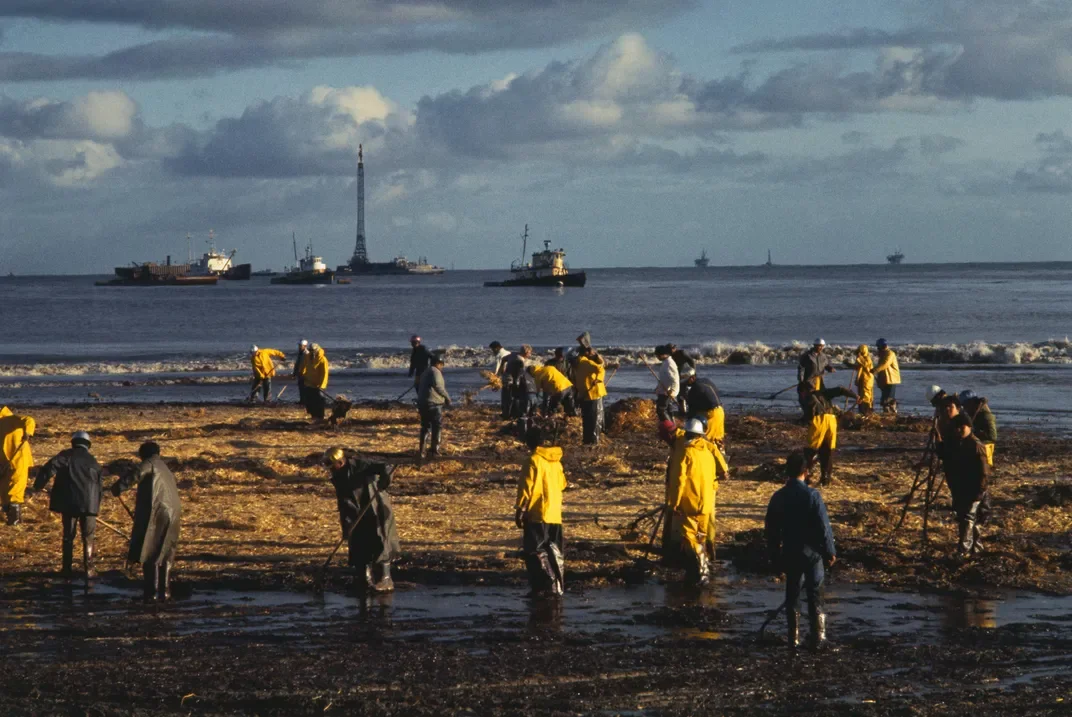
1969 Santa Barbara oil spill workers turned to heaping straw along the coastline to soak up the millions of gallons of crude oil. Image credit: Bettman / Getty Images.
The Trump administration is advancing one of the most aggressive offshore drilling proposals in U.S. history—threatening more than 1.27 billion acres of ocean waters through expanded oil and gas leasing. From the Arctic to the Gulf of Mexico and across nearly the entire California coastline, no region is safe under this plan.
This proposal would enable decades of new fossil fuel extraction—despite clear warnings from scientists, widespread public opposition, and growing calls for clean energy solutions. The impacts would be felt nationwide, but California's coastal waters and ocean economy are especially vulnerable.
The Department of the Interior’s Draft Proposed Program outlines 34 potential lease sales in 21 federal offshore planning areas. It’s part of a broader agenda to weaken environmental protections and hand over public resources to the oil industry, putting marine ecosystems, coastal communities, and climate resilience at risk.
A 60-day public comment period is now underway, running through January 23, 2026. This is a pivotal moment to speak out, stay informed, and take action.
A Public Lands Giveaway Disguised as “Energy Policy”

Map of the proposed maritime boundaries and limits shown hereon, as well as the division between planning areas, are for initial planning purposes only and do not necessarily reflect the full extent of US sovereign rights under international and domestic law.
Let’s be clear: this is not about energy independence. The United States is already the largest oil producer in the world. Oil companies currently control 11 million acres of leased federal offshore waters—yet more than three-quarters of that area remains undeveloped.
The Trump offshore drilling plan isn’t a response to any real energy shortage; it’s a handout to fossil fuel corporations, many of which are posting record profits while leaving taxpayers to foot the bill for the cleanup of thousands of idle wells and abandoned pipelines.
This is part of a broader effort to dismantle environmental protections and privatize our shared natural resources. It mirrors past attempts to open national parks, forests, and Indigenous lands to oil and gas leasing, often without the consent of impacted communities.
Our oceans, coasts, and public lands are not corporate assets. They belong to all of us.
The Risk to California Is Profound
California’s coast is one of the most biodiverse and economically vital shorelines in the world. Its “blue economy”, including tourism, recreation, shipping, and fishing, generates more than $44 billion annually and supports nearly half a million jobs.
History shows us what’s at stake:
The 1969 Santa Barbara oil spill released over 3 million gallons of crude and ignited the modern environmental movement.
The 2015 Refugio Beach pipeline spill leaked 120,000 gallons, costing local communities over $74 million in lost tourism revenue in just one month.
In 2021 and again in 2024, Southern California experienced additional spills near Huntington Beach, disrupting fisheries, harming wildlife, and closing beaches for weeks.
These are not anomalies. The U.S. Department of the Interior’s own modeling predicts a nearly 40% chance of a major oil spill (1,000 barrels or more) annually if drilling is expanded in the Pacific.
The Impacts on Wildlife and Ocean Health
Every lease sale increases the risk of another oil spill. But even without a major crisis, offshore drilling harms ocean ecosystems in ways that are often invisible to the public.
Oil and gas operations:
Disrupt marine mammals with deafening seismic airgun blasts, which interfere with their ability to navigate, feed, and reproduce.
Pollute water with toxic byproducts, harming fish stocks and coral reefs.
Emit large volumes of greenhouse gases, worsening climate impacts and ocean acidification.
Species already under pressure, such as gray whales off California, Rice’s whales in the Gulf, and belugas in Cook Inlet, are being pushed closer to extinction by expanded drilling in their habitats. The BP Deepwater Horizon spill alone is estimated to have killed 17% of the Rice’s whale population.
A False “Energy Emergency”
This plan is framed by the administration as a solution to high energy prices and supposed energy insecurity. But the facts tell a different story:
The U.S. is exporting more oil than any other country in history.
New leases won’t impact prices for years—the plan itself notes it could take a decade or more for production to begin.
Clean energy projects are being delayed or blocked by the same administration advancing this fossil fuel agenda.
While oil companies are handed new lease areas, other renewable energy initiatives are being stalled.
Your Voice Is Essential!
This offshore drilling plan is being pushed forward while the administration rolls back public oversight, eliminates required environmental reviews, and limits the voices of coastal communities, Tribes, and fishermen.
This is unacceptable.
Poll after poll shows that a majority of Americans, across party lines, oppose new offshore drilling. In California, over 90 local governments have passed resolutions against expanded offshore oil and gas activities.
What You Can Do
1. Submit a public comment before January 23, 2026.
Tell the Department of the Interior that you oppose this unnecessary, dangerous expansion of offshore drilling. Demand a plan with no new lease sales.
2. Share this information with your networks.
Most people don’t yet know this proposal is happening. Your voice helps amplify resistance.
3. Support RRI in our work to advance science-informed tools that strengthen climate resilience and safeguard biodiversity.
Our coasts, our communities, and our climate cannot afford another decade of dirty energy.
