
Don’t Let Polluters Rewrite Clean Water Protections
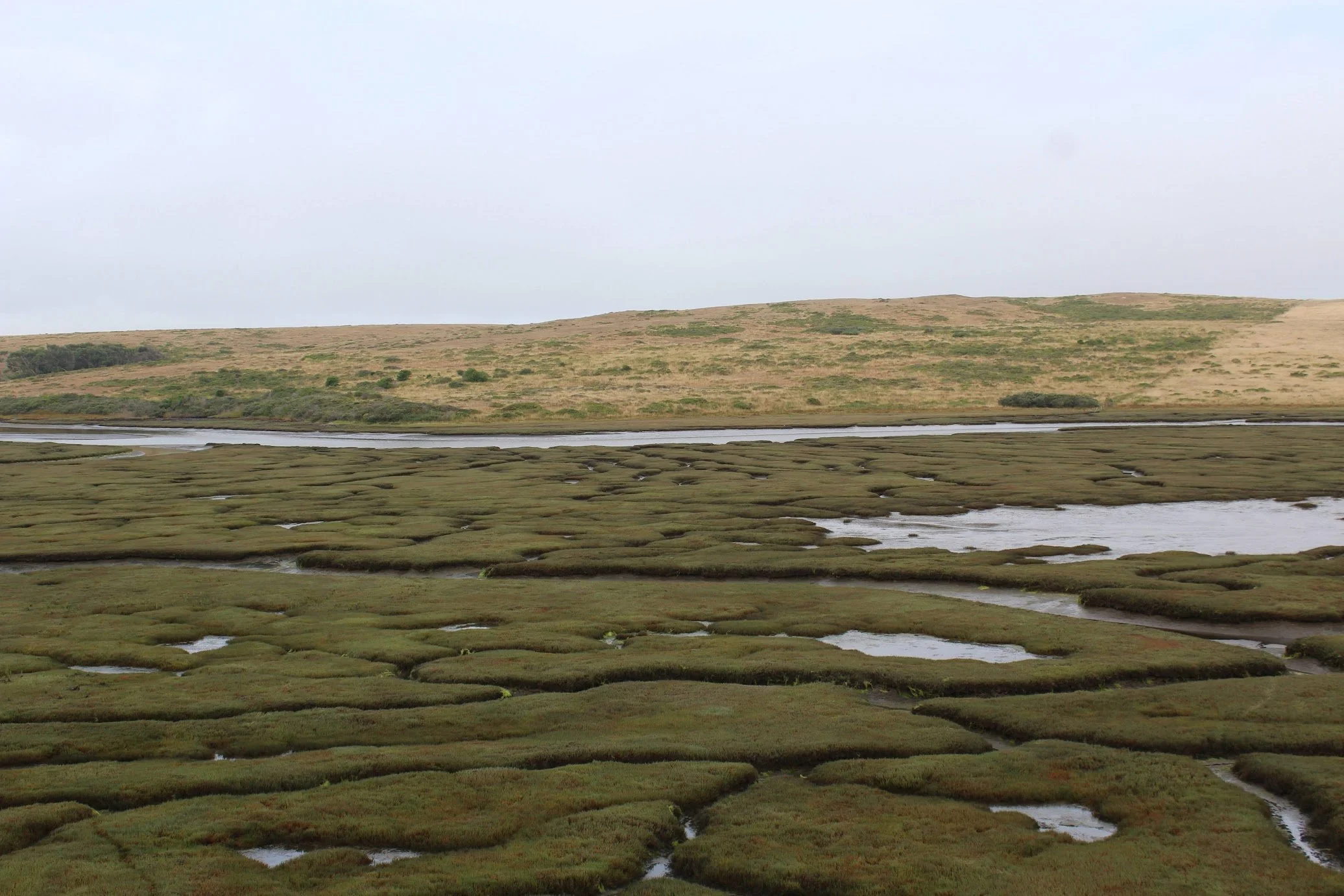
Drake's Estero, Point Reyes National Seashore. Image credit: Grace Milstein.
Clean water protections nationwide are under threat. Earlier this week, RRI joined clean water, environmental justice, public health, and conservation organizations from across California in urging the Environmental Protection Agency (EPA) to withdraw its newly proposed rule redefining “Waters of the United States.”
Advocates are calling the proposal the “Polluted Water Rule”—and for good reason. If finalized, it would strip federal protections from vast networks of wetlands, seasonal streams, and headwaters that millions of people, animals, and ecosystems rely on for clean water, flood protection, and climate resilience.
What EPA Is Proposing
The EPA and the U.S. Army Corps of Engineers are seeking to revise the definition of waters protected under the Clean Water Act following the Supreme Court’s 2023 decision in Sackett v. EPA.
But instead of adhering narrowly to the Court's requirements, the new proposal goes much further, creating loopholes and barriers that would remove protections for entire watersheds. Wetlands and streams would only qualify for protection if they meet rigid and poorly defined criteria, including a new and ambiguous requirement to show “wet-season surface water.”
The problem? The rule never clearly defines what “wet season” means.
Why the “Wet Season” Test Is Dangerous
Under the proposal, federal agencies could rely on modeling tools, climate averages, or generalized datasets to determine whether a stream or wetland qualifies for protection—regardless of local hydrology.
That means a wetland flowing one day outside a modeled “wet season” could lose protection entirely, not because it lacks ecological value, but because of an arbitrary cutoff date. This approach is especially harmful in:
Arid and semi-arid regions
Snowmelt-driven watersheds
Groundwater-fed wetlands
Headwater streams with short or episodic flows
The result would be confusion, misclassification, and the widespread loss of protections for waters that are essential to water quality and ecosystem health.
What’s at Stake for Communities and Climate
"Wetlands and seasonal streams are the backbone of healthy watersheds — filtering pollution, reducing floods, supporting fisheries and wildlife, recharging groundwater, and protecting downstream drinking water. Removing federal protections doesn't just harm ecosystems, it also shifts enormous costs onto the communities and taxpayers downstream,” said Chance Cutrano, Director of Programs at the Resource Renewal Institute. “We will keep fighting to defend the protections that communities, ecosystems, and ratepayers all depend on."
Stripping protections from these waters would weaken the Clean Water Act’s core purpose: safeguarding public health and maintaining the integrity of the nation’s waters. As climate change intensifies floods, droughts, and extreme rainfall, losing wetlands and headwaters would leave communities more vulnerable—and force taxpayers to absorb the costs of water treatment, flood damage, and infrastructure failures.
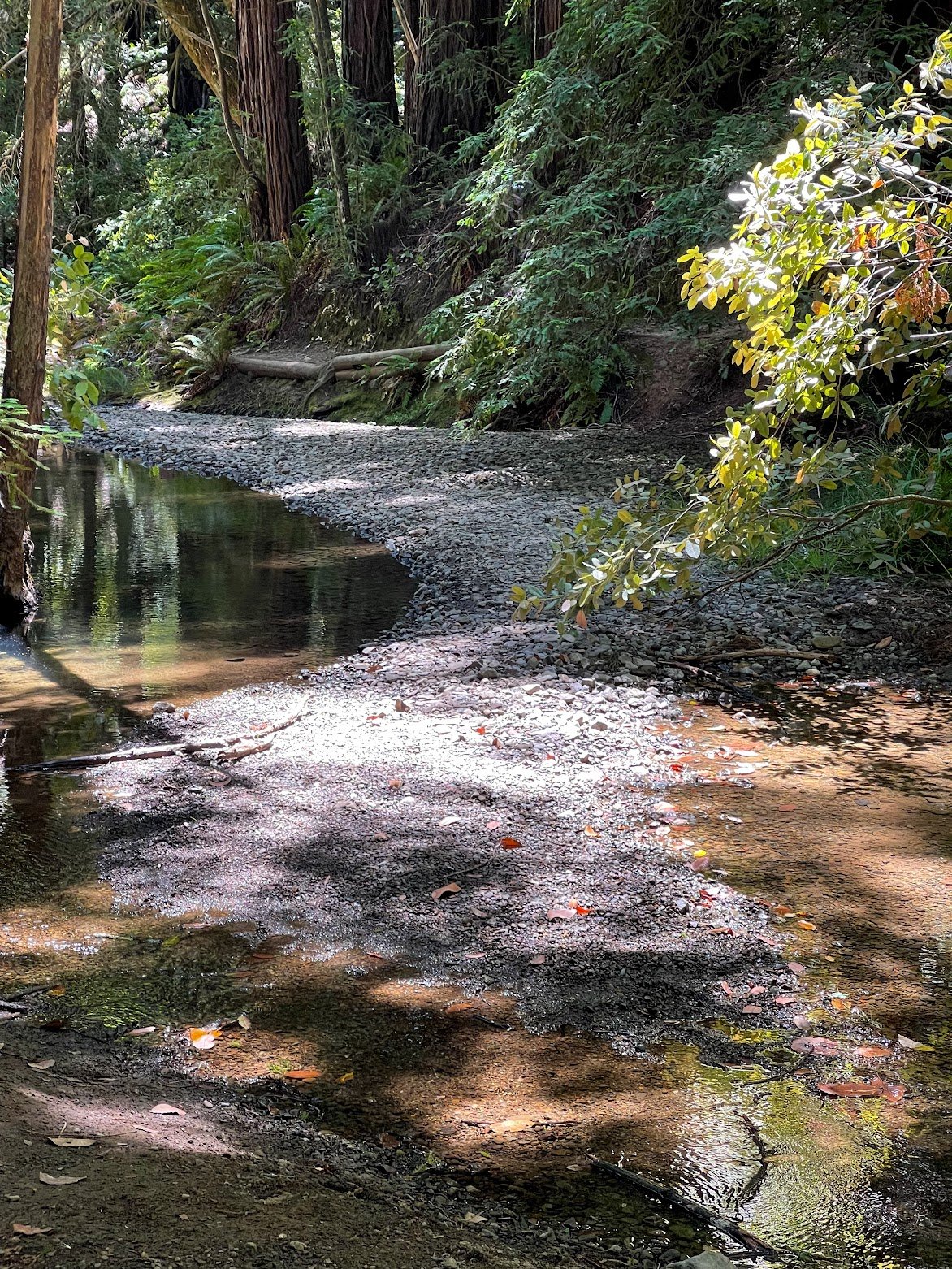
Creek bed near Phoenix Lake, Marin County.
Image credit: Grace Milstein.
Going Beyond What the Court Required
The coalition emphasizes that Sackett v. EPA already narrowed federal jurisdiction significantly. EPA’s 2023 post-Sackett rule reflected those limits. The new proposal, however, goes beyond the Court’s ruling by:
Narrowing the definition of tributaries to only those with continuous wet-season flow
Requiring wetlands to directly abut protected waters and show surface water during the wet season
Excluding wetlands connected by shallow subsurface flow or seasonal overland flow
None of these restrictions were mandated by the Supreme Court, and all will eliminate protections for waters essential to regional water health.
A United Call to Defend Clean Water
RRI is proud to join a diverse coalition of organizations calling on EPA and the Army Corps to withdraw the Polluted Water Rule and replace it with a science-based approach that:
Adheres to Sackett without exceeding it
Clearly defines any use of “wet season”
Protects wetlands, headwaters, and seasonal waters
Upholds the Clean Water Act’s original intent
Polluters may push for fewer guardrails, but communities across California and the country depend on strong, enforceable clean water protections.
EPA’s decision will shape water quality protections for years to come. We’re urging the agency to reject this dangerous rollback and stand up for clean water, healthy ecosystems, and the communities that rely on them.
