
Trump Administration Puts California's Coastal Protections on Notice
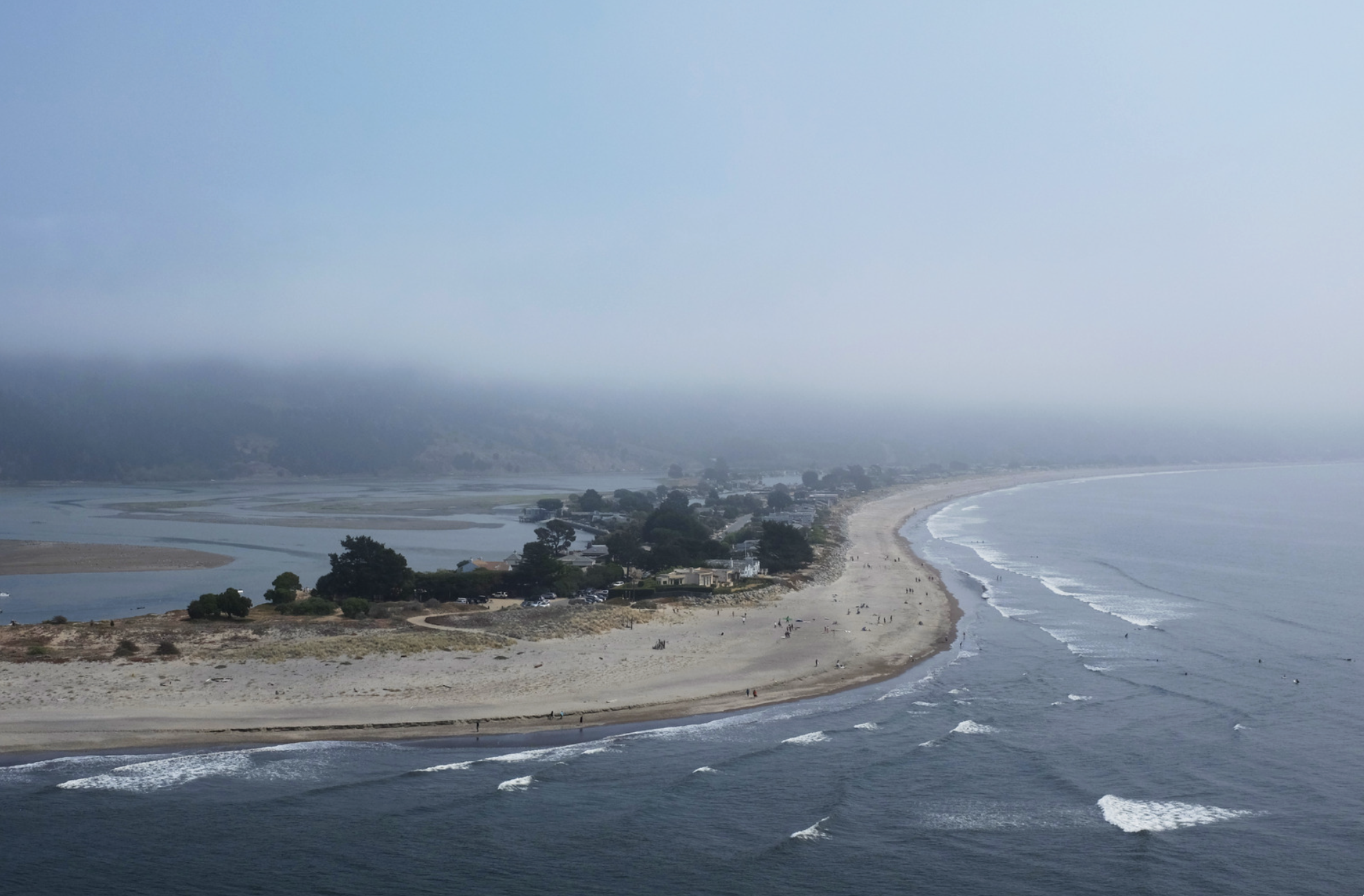
Seadrift, Stinson Beach, California.
For fifty years, a partnership between California and the federal government has determined how our coastline is protected — from the beaches we walk on to the waters offshore. Now, that partnership is under direct threat.
On May 20, 2026, Commerce Secretary Howard Lutnick directed the National Oceanic and Atmospheric Administration (NOAA) to launch a formal review of California's Coastal Management Program. This program, established under the federal Coastal Zone Management Act of 1972, gives California authority to review and object to federal actions that affect our coast — including offshore oil and gas leasing, military and commercial space launch activity, undersea cable installations, desalination projects, and major infrastructure development.
This review didn't emerge in isolation. In August 2025, President Trump signed an executive order directing federal agencies to evaluate whether California's coastal review authority was standing in the way of the commercial space industry. That order followed two decisions by the California Coastal Commission not to approve an expanded schedule of SpaceX rocket launches from Vandenberg Space Force Base, citing inadequate environmental review.
The current NOAA review, conducted under Section 312 of the Coastal Zone Management Act, is described by the administration as a routine "performance evaluation." But the stated rationale — ensuring California gives sufficient weight to "economic development" and federal priorities — signals a broader intent: to find grounds for narrowing a program that has, for decades, given California real leverage over what happens along its shoreline.
The Importance of Coastal Management Programs
Programs like this one exist to balance competing priorities along the coast — the public good, ecosystem health, economic activity, and long-term conservation — rather than to favor any single interest.
That balancing act touches nearly every part of coastal life:
Public access. More than 180 million Americans visit coastal areas each year, and keeping that access open and equitable — rather than allowing it to be quietly eroded or privatized — is a core function of coastal management. California's program has long worked to protect and expand public access to beaches that might otherwise be walled off by private development.
Habitat protection. Coastal habitats are both ecologically vital and increasingly under pressure from development. Coastal management uses land-use planning, permitting, and restoration to keep these habitats intact.
Energy facility placement. Whether the proposal is an oil platform or an offshore wind project, coastal management determines where and how energy infrastructure is built — protecting coastal resources and other uses, like fishing and navigation, in the process.
Water quality. Runoff from streets, farms, and lawns is one of the biggest threats to coastal water quality. Coastal management programs help set the rules that keep that pollution out of the water.
Climate adaptation. As sea levels rise, coastal communities need modeling, planning, and policy support to prepare. Coastal management is where much of that adaptation work happens.
These programs determine whether California's coast stays open, healthy, and accessible for the people who depend on it.
Why This Authority Matters
California's coastal consistency authority is one of the state's most effective legal tools for objecting to offshore oil and gas drilling in federal waters. The Trump administration has already taken initial steps toward reopening California's coast to new drilling, soliciting industry interest in potential lease areas in Southern and Central California, with lease sales proposed as early as 2027. If this review results in a narrower or weakened consistency authority, California loses one of its strongest mechanisms for stopping those leases before they move forward.
This same authority has protected California's coast before. In 2008, the Coastal Commission objected to a proposed toll road through San Onofre State Beach — home to the beloved Trestles surf break — and the U.S. Department of Commerce upheld that objection, finding the project neither necessary nor without viable alternatives. Without federal consistency review, that stretch of coastline could look very different today.
What's At Stake Beyond California
Under the Coastal Zone Management Act, any state with an approved coastal management program gains two things: federal grant funding for coastal protection work, and the power to require that federal actions align with the state's coastal policies. A successful effort to weaken California's program — the oldest and most established in the country — sets a precedent that could reach every other coastal state's protections, and the Coastal Zone Management Act itself.
Take Action
The public input phase for this review opened on June 26, 2026, and RRI encourages our community to participate. Here's how:
In-Person Public Meeting
August 10, 2026 | 2:00–6:00 PM PT
Pacific Ballroom, Hilton Santa Monica Hotel and Suites, 1707 4th Street, Santa Monica, CA 90401
To register to speak, email czma.california-evaluation@noaa.govby 11:59 PM PT on August 8. Walk-in registration is available, but walk-in speakers are called only after pre-registered speakers. Each speaker receives three minutes, and time cannot be transferred to another speaker. The meeting will be recorded, and a transcript will be made available by emailing the address above.
You can also watch via livestream (public comment is not accepted through this channel). Register for the livestream here.
Virtual Public Meetings
August 11 and 12, 2026 | 2:00–5:00 PM PT each day, via Adobe Connect
Register here by 11:59 PM PT on August 10. Attendance is capped at 1,000 participants per session, so NOAA asks that participants attend only one day. Speakers are called in order using Adobe Connect's "raise hand" function, with three minutes each and no time transfer. Sessions will be recorded, and transcripts are available upon request.
Written Comments
Email czma.california-evaluation@noaa.gov with the subject line "Comments on Performance Evaluation of the California Coastal Management Program." Comments are due by August 22, 2026, at 11:59 PM PT.
California's coastal protections weren't handed down — they were built, tested, and defended over five decades by people who understood what was at stake. RRI stands with the coalition of organizations, advocates, and coastal communities working to make sure that legacy continues. This review is a call to action, and every public comment adds weight to the case for keeping California's coast in California's hands.
We'll continue to share updates as this review moves forward. In the meantime, we encourage you to register, submit a comment, or simply share this alert with someone who cares about the California coast as much as you do.
