
EPA Repeals the Greenhouse Gas Endangerment Finding: How the EPA Gave Up Its Lawful Duty to the American People
By Carlos Anguiano, RRI Intern
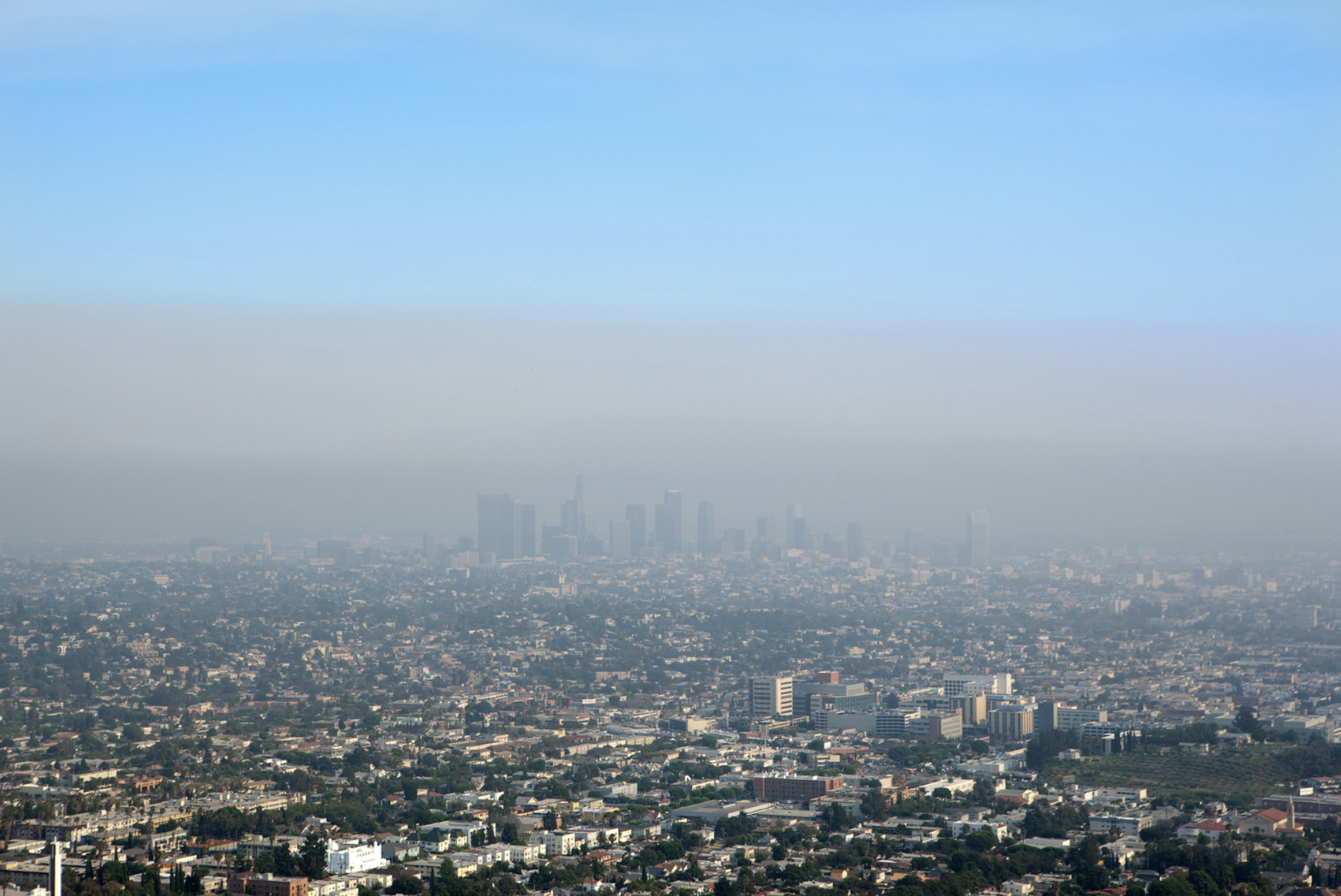
Smog in Los Angeles.
The EPA rescinded its 2009 Greenhouse Gas Endangerment Finding, giving automakers the freedom to decide how much their new vehicles can pollute. Let’s take a look at what happened and how it impacts everyday life.
What Happened
In July 2025, the EPA proposed repealing the 2009 Greenhouse Gas Endangerment Finding, claiming there is no evidence that greenhouse gases affect human health. The original Endangerment Finding declared that six greenhouse gases (including Carbon dioxide, CO2, and Methane, CH4) pose a danger to human health and must therefore be regulated by the agency. By passing the proposed repeal, the EPA would relinquish this duty and leave the decision of emissions up to the discretion of the auto manufacturers.
In September 2025, RRI, along with 100 other organizations and individuals, signed a letter urging them to reconsider overturning this case. With evidence-backed reasons ranging from health to economic impacts, their compelling case was unheeded by the Agency.
On February 12 of this year, the Environmental Protection Agency (EPA) officially rescinded the Finding. This is an incredibly dangerous precedent to set. Because of this ruling, millions of Americans in frontline communities will suffer worse consequences from increased air pollution and its associated health and climate risks.
Why It Matters
The EPA’s ruling will make pollution levels worse for everyone, but especially historically marginalized peoples.
46% of Americans (156.1 million people) are already living in areas that score failing grades for unhealthy levels of ozone or particulate pollution. The repeal will compound consequences for Black, Brown, Indigenous, and People of Color (POC), and low-income communities. POC are disproportionately affected by these high-risk standards. POC make up only 41% of the U.S. population, but 50% live in places with at least one failing grade. Furthermore, Hispanic individuals are three times more likely than white individuals to live in an area with 3 failing grades.
"We live in a world where solutions for ending pollution and climate harm already exist. Yet instead of advancing a fair and healthy future, the EPA is proposing rollbacks that serve polluters and put our communities at greater risk. We cannot ignore the reality that communities of color and low income are dying from dirty air and preventable disasters. Race and zip code should not determine who breathes clean air or lives a full life. The EPA has a clear mission-and until all people are protected from environmental and health harms, that mission remains unfulfilled. We will keep raising our voices to demand the safe, just future we all deserve." — Anastasia Gordon, Director of Federal Policy, WE ACT for Environmental Justice.
This Ruling Does Not Follow Sound Science
At RRI, we fight for science-backed climate resiliency, and this decision is the direct antithesis to that; it’s based on flawed science. The Department of Energy's report, which informed this decision, was often criticized for cherry-picking data and lacking peer review, while dismissing the overwhelming consensus of global scientific bodies, including the IPCC. Climate pollution is also a multiplying threat - worsening air pollution and creating chaotic and deadly extreme weather, both of which harm frontline communities the most. This repeal aims to stop greenhouse gas pollution limits from our world’s worst emitters, like power plants and cars, while reducing future administrations from enforcing or establishing new climate regulations. This decision will affect millions more people and does not take into account the impact it will have on workers who will face these conditions every day. Climate regulations have positive impacts on both public health and business costs, yet this decision chooses to ignore them.
“Science doesn’t change just because a couple of people decide that a policy changes or a rule changes. The evidence continues to mount that greenhouse gases have a direct harm on human health and ecosystems, and that’s only grown stronger since the endangerment finding was created in 2009.” — Chance Cutrano, Director of Programs, Resource Renewal Institute.
This repeal conflicts with the EPA’s legally binding obligation to regulate greenhouse gas emissions, as mandated by the landmark Supreme Court case Massachusetts v. EPA (2007). In this case, the Supreme Court set a precedent that, under the Clean Air Act, the EPA must regulate emissions that are dangerous to human health, such as air pollution from motor vehicles. The EPA then passed the Endangerment Finding in 2009 to cement this new responsibility. Overturning this ruling and its subsequent duties of the EPA goes against the precedent set by the courts, something the EPA does not have the authority to do without a new court case.
What Now?
States and environmental coalitions have already taken this ruling to court to challenge the EPA’s decision. 22 attorneys general from U.S. states and territories, along with many major cities across the U.S. have filed a joint lawsuit against the EPA to reinstate the emissions protections. Though federal regulations are gone, all hope is not lost. Many states, like California, still have their own regulations through respective legislatures or environmental agencies.
The fight does not end here. The decision of one agency cannot silence the voices of millions who demand better. Now more than ever, we must hold our representatives accountable, challenge every rollback, and refuse to let short-term political interests override the long-term survival of our planet. The work ahead is hard, but the stakes are too high for silence.
