
A Water Renaissance For California
Specific strategies for developing drought-proof water supplies in
Southern California by 2045
RRI and a coalition of conservation groups and Tribes released A Water Renaissance for California — a vision, including specific goals and metrics, for prioritizing local water resilience in California's urban areas, especially in Southern California, to support a pivot away from the state's overreliance on unreliable imported water.
The Numbers
The plan identifies an opportunity to secure 1.8–2 million acre-feet of drought-proof water supplies in Southern California by 2045 through sustainable technologies such as stormwater capture, wastewater recycling, conservation, and groundwater cleanup. The total cost for such investments would be approximately $44 billion. In comparison, the currently proposed Delta Conveyance Project is projected to yield only 0.4 million acre-feet of water annually — at a likely cost of upward of $60 billion.
“Southern California water agencies are already turning toward projects that can provide reliable local water. These types of investments make our region more resilient. We should direct ratepayer and taxpayer dollars to securing water supplies that are available year in and year out,
rain or shine.”
—BRUCE REZNIK, EXECUTIVE DIRECTOR, LA WATERKEEPER
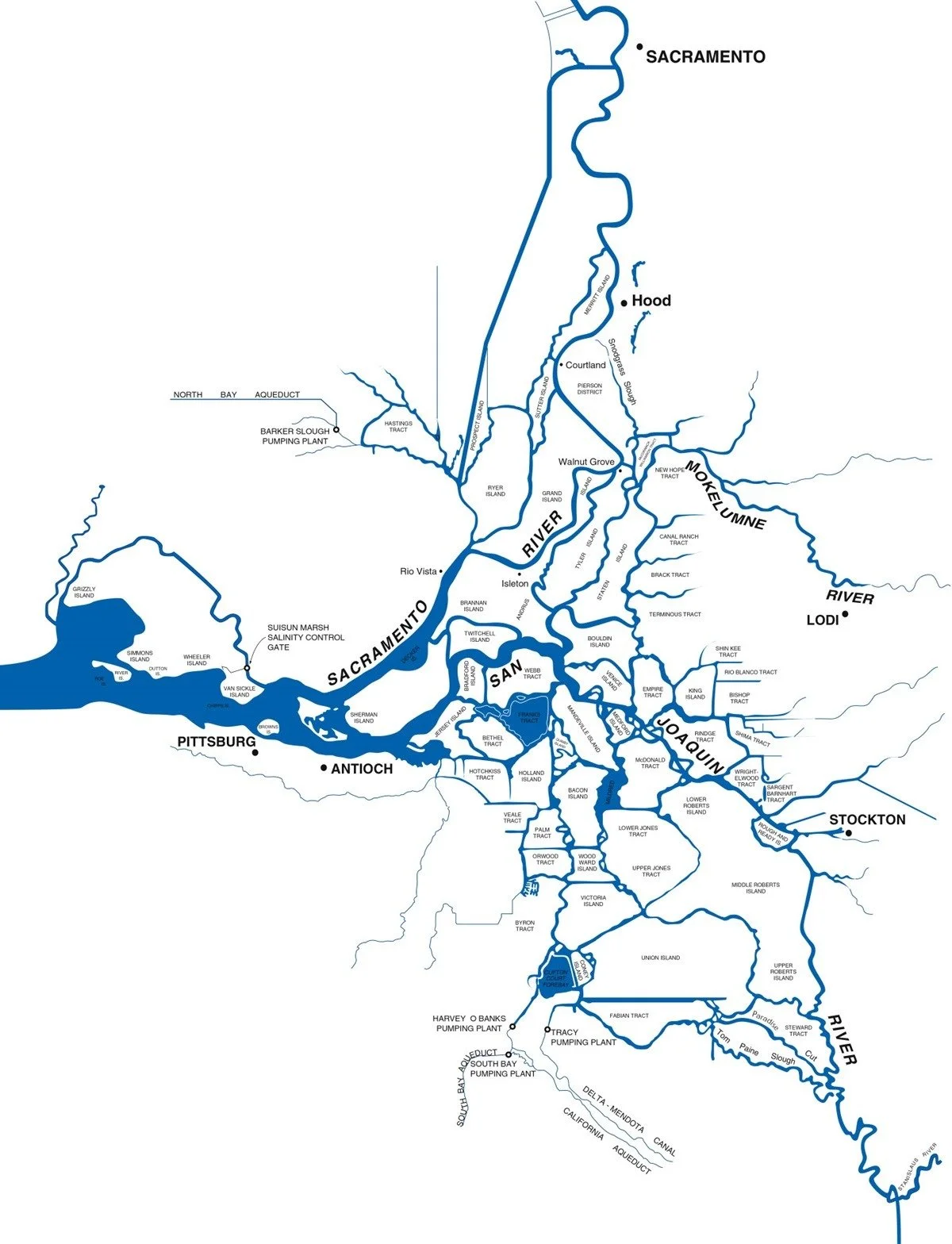
Image: Map of the Sacramento-San Joaquin Delta.
Why Now?
As shown in this fact sheet, the amount of water available for export from two of Southern California's main sources of fresh water — the Bay-Delta and the Colorado River — is projected to drop by 23% and 29%, respectively, in the coming years, compared to available water in recent decades. The report argues that continuing to over-invest in infrastructure designed to pipe water over hundreds of miles is a risky strategy, especially as snowpack and rainfall patterns become less predictable due to climate change.
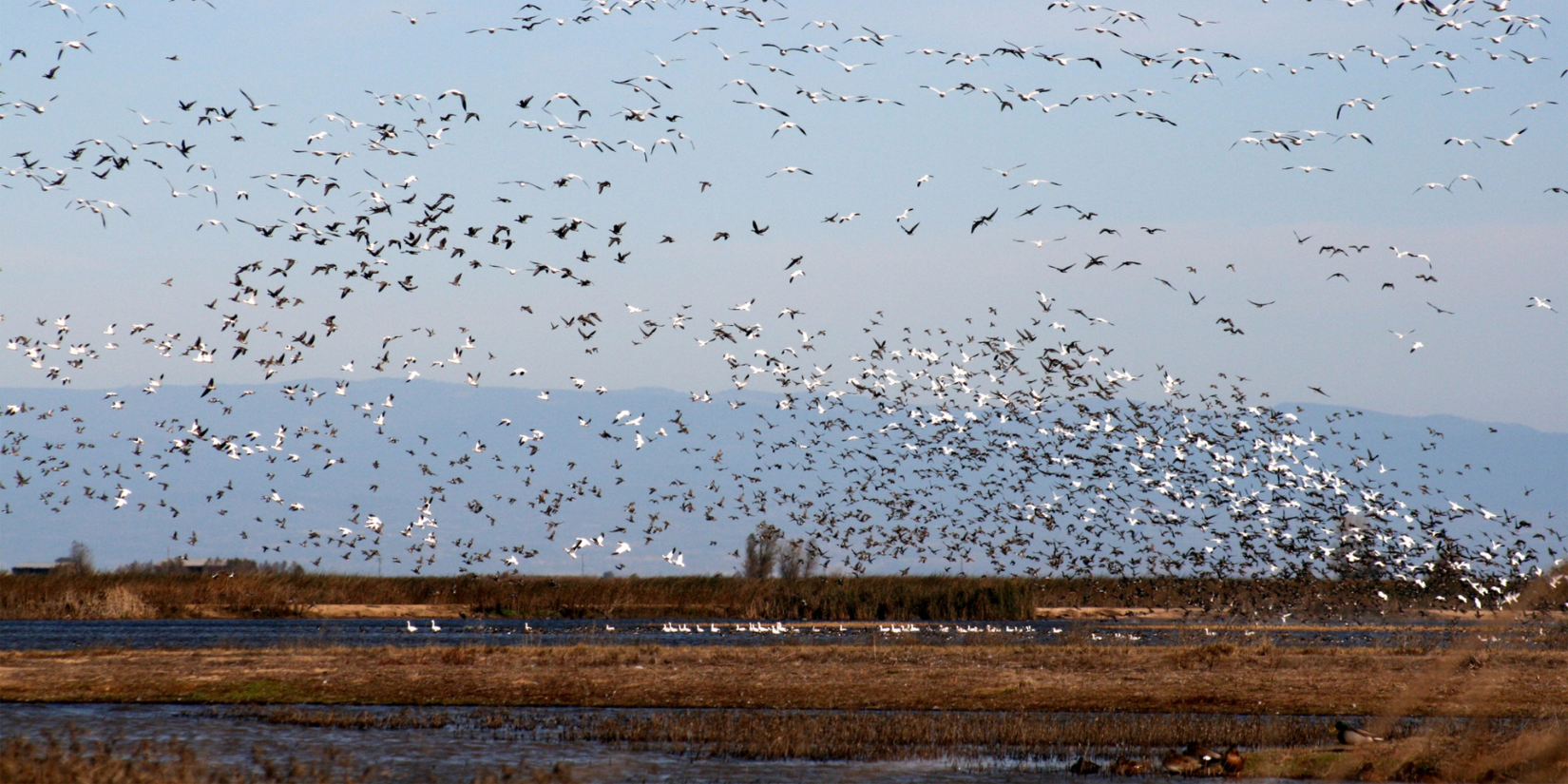
The Colorado River is at an all-time low since water exports began in the early 1900s. The Bay-Delta is on the verge of ecosystem collapse due to extensive water exports that support both Central Valley agriculture and urban uses in Southern California and Silicon Valley. In the Eastern Sierras, Mono Lake and Owens Lake are similarly struggling due to excessive exports to Los Angeles.
The Water Renaissance Plan Includes Eight Priority Recommendations
Direct state agencies to end planning and advocacy for the Delta Tunnel and instead adopt and enforce science-based instream flow protections for the Bay-Delta and its Tributaries.
Consider pursuing an ambitious general obligation water bond that focuses on modern local water supplies and excludes wasteful or environmentally damaging spending.
Develop best management practices and regulatory standards to address harmful algal blooms.
Require the adoption of tribal beneficial uses so that tribal uses are recognized and protected in permitting decisions.
Direct state officials to ensure Colorado River diversions are appropriately reduced as part of a basin-wide plan to ensure long-term sustainability and protect the environment, tribes, and urban water users.
Create a framework for local businesses to fund green infrastructure for stormwater capture.
Remove the cap on large water recycling projects for receiving loans from the State Revolving Fund and allocate sufficient funds to the SRF to meaningfully support large-scale projects.
Reform Proposition 218 to allow for local water rate assistance programs and ensure aggressive conservation rates can be implemented.
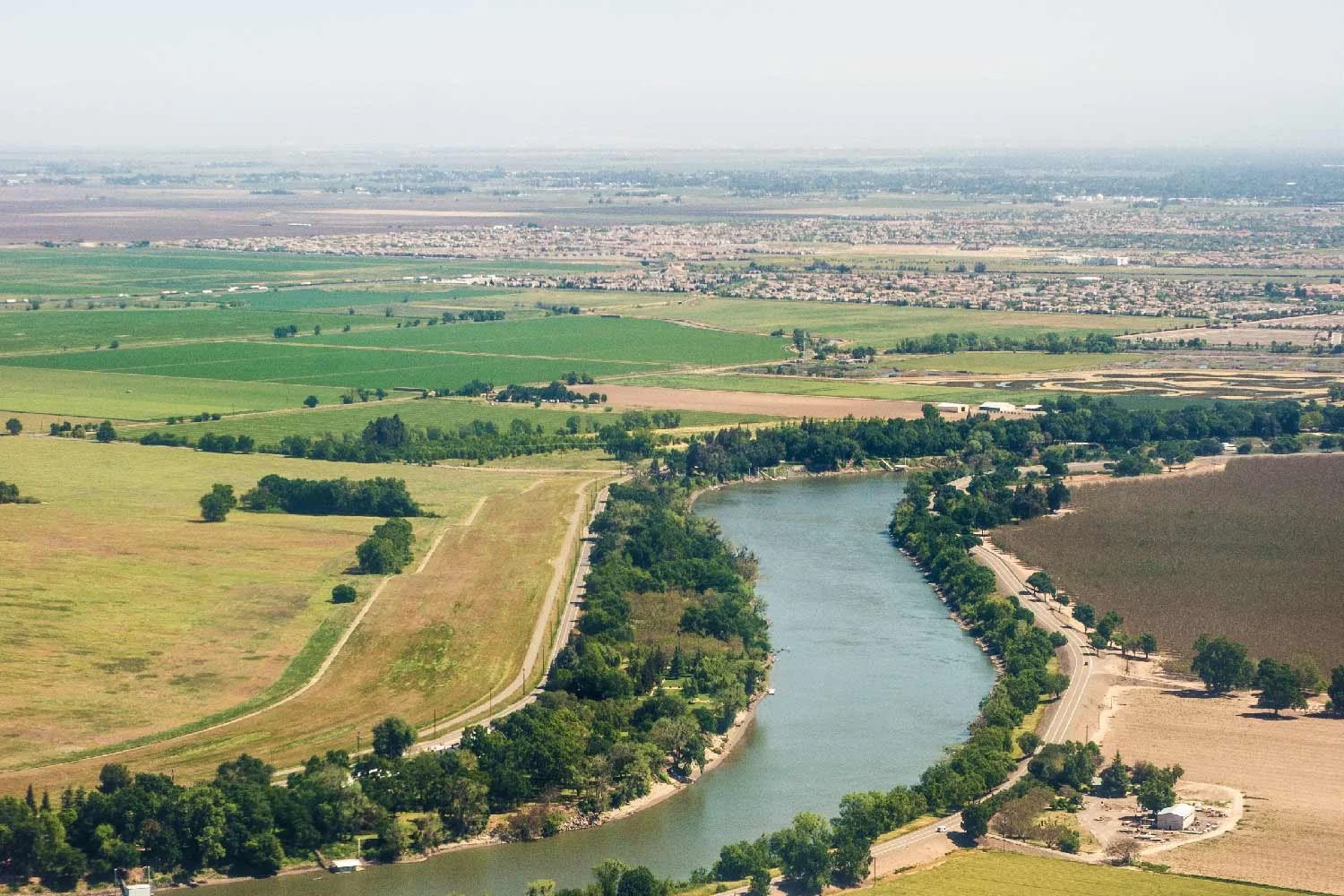
Image: To cope with drought, farmers use micro-irrigation for higher yields with less water in Sacramento and Yolo counties. Lance Cheung/USDA Natural Resources Conservation Service.
The Coalition Behind the Plan
The Water Renaissance Plan was drafted jointly by the California Sportfishing Protection Alliance, Defenders of Wildlife, Friends of the River, Golden State Salmon Association, LA Waterkeeper, Resource Renewal Institute, Restore the Delta, San Francisco Baykeeper, Sierra Club California, Winnemem Wintu Tribe, and Yosemite Rivers Alliance. As of May 19, 2026, 18 additional groups have endorsed the plan.
Video: Water Renaissance press event May 20, 2026.
