
Why Gray Wolves Still Need Protection: NO on H.R. 845
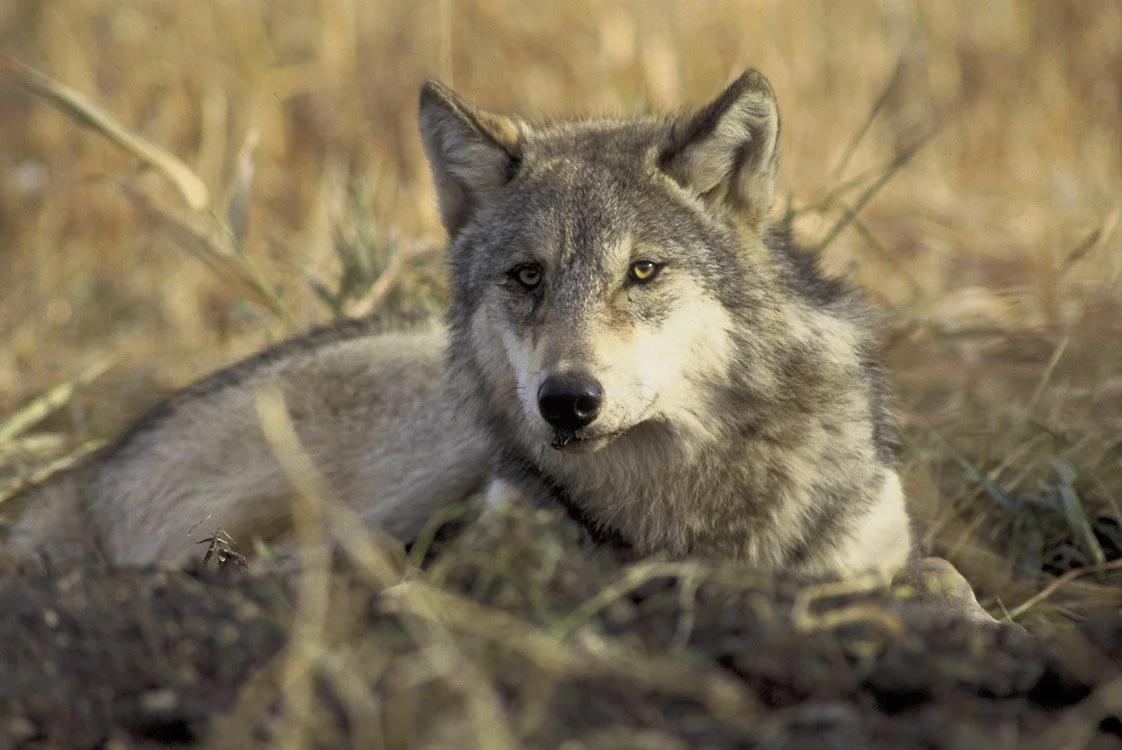
The gray wolf, a keystone predator, is vital to its ecosystems. Its adaptability lets it thrive in forests, mountains, tundra, taiga, and grasslands. Photo credit: John and Karen Hollingsworth/USFWS
Congress is once again targeting one of America’s most iconic and ecologically important species. This week, RRI joined a broad national coalition urging members of the U.S. House of Representatives to voteNOonH.R. 845, misleadingly named the “Pet and Livestock Protection Act.”
If passed, this bill would force the federal government to strip protections from gray wolves nationwide—ignoring science, bypassing the courts, and placing a species that is still recovering back in serious danger.
What H.R. 845 Would Do
H.R. 845, sponsored by Representative Lauren Boebert, directs the Department of the Interior to reinstate a 2020 rule that removed Endangered Species Act protections for gray wolves across most of the lower 48 states. The bill goes even further by blocking judicial review, preventing courts from weighing in on whether the decision is lawful or scientifically sound.
That matters because the 2020 delisting rule was already found to be unlawful. In 2022, a federal court ruled that the decision relied too heavily on a handful of stable wolf populations while failing to account for wolves’ fragile and fragmented status across much of their historic range.
Why Wolves Still Need Protection
The gray wolf is a keystone species; its presence helps regulate prey populations, restore vegetation, and support healthier ecosystems overall. Yet wolves were nearly wiped out in the United States due to decades of government-sponsored extermination campaigns, habitat loss, and prey depletion.
Thanks to protections under the Endangered Species Act, wolves have begun to return to parts of the West and Great Lakes. But recovery is far from complete. Many populations remain isolated, genetically vulnerable, and subject to intense political pressure at the state level.
Removing federal protections now would open the door to aggressive hunting and trapping policies that could quickly reverse decades of progress.
An Attack on Science—and the Rule of Law
H.R. 845 doesn’t just target wolves. It undermines the very foundation of the Endangered Species Act by replacing science-based decision making with congressional fiat. By barring judicial review, the bill strips away a critical safeguard that ensures agencies follow the law and base decisions on evidence—not ideology.
This approach sets a dangerous precedent. If Congress can legislatively delist one species while blocking court oversight, no imperiled species is safe from political interference.
We stand with hundreds of organizations, including the Center for Biological Diversity, Earthjustice Action, Western Wildlife Conservancy, Sierra Club, and more, united in opposition to H.R. 845.
Please call your representatives and ask them to vote NO on H.R. 845.
