
The True Cost of the Border Wall: Environmental Destruction, Community Harm, and Billions in Waste
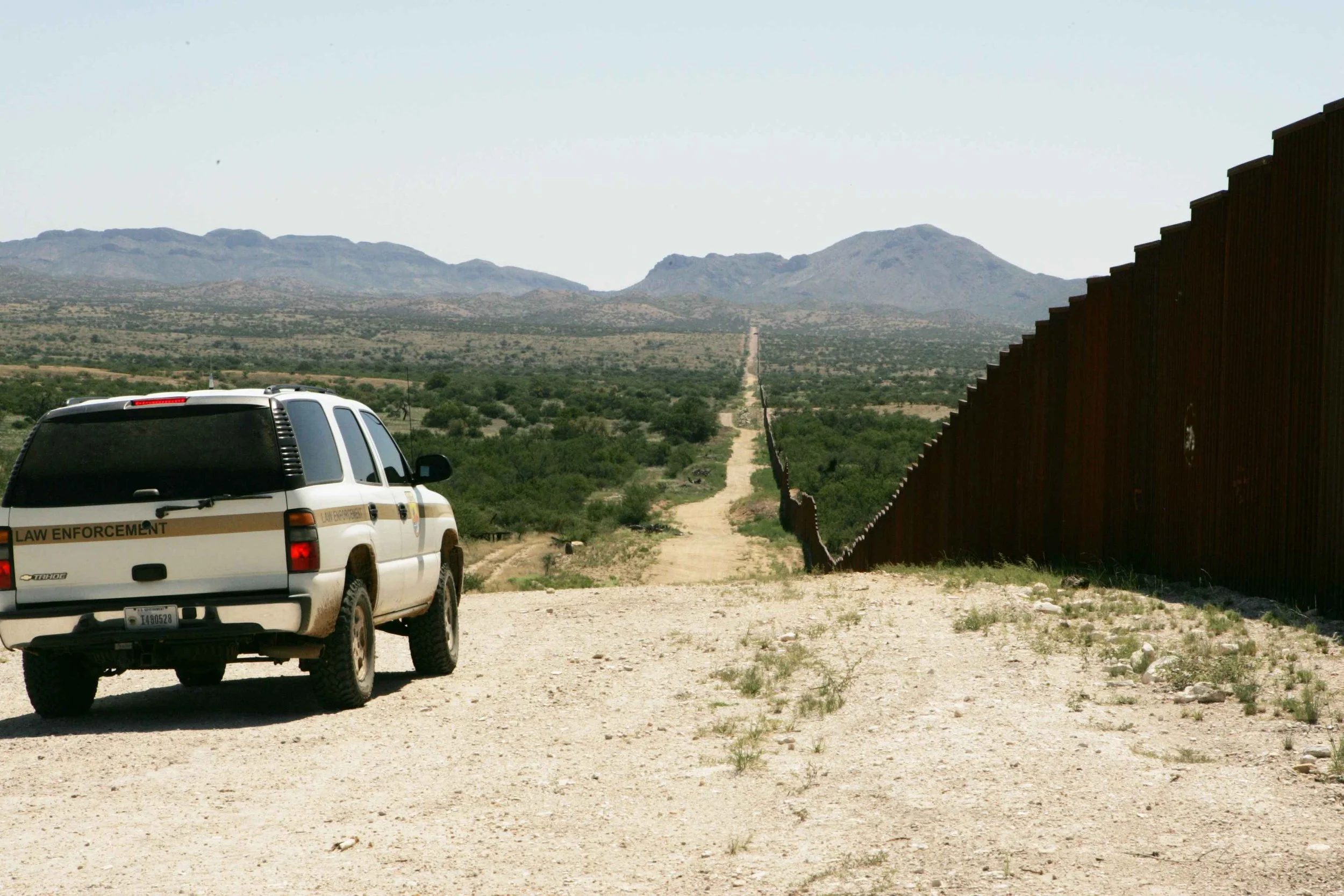
We have joined dozens of environmental, tribal, human rights, and conservation organizations in strong opposition to a new proposal in the House Committee on Homeland Security’s budget reconciliation package that would allocate $46.5 billion for border wall construction. If passed, this proposal would more than double the amount historically spent on walls and barriers—wasting billions of taxpayer dollars, destroying critical ecosystems, and violating the rights of communities living along the U.S.–Mexico border.
American taxpayers have already spent $18.74 billion constructing hundreds of miles of border barriers. These walls have consistently failed to deliver on their promises of safety or effectiveness. Border communities continue to be among the safest in the country, and apprehensions along the southwest border have declined sharply in the past year. Yet instead of investing in meaningful, evidence-based strategies, this proposal seeks to pour billions more into infrastructure that is deeply harmful.
Numerous government reports have criticized past border wall projects for poor planning, lack of cost analysis, and failure to consider less harmful alternatives. The wall has proven not only ineffective but incredibly expensive to maintain, with long-term costs still unknown and unaccounted for. Its continued expansion reflects a disregard for science, public input, and basic governance.
Communities and Ecosystems on the Line
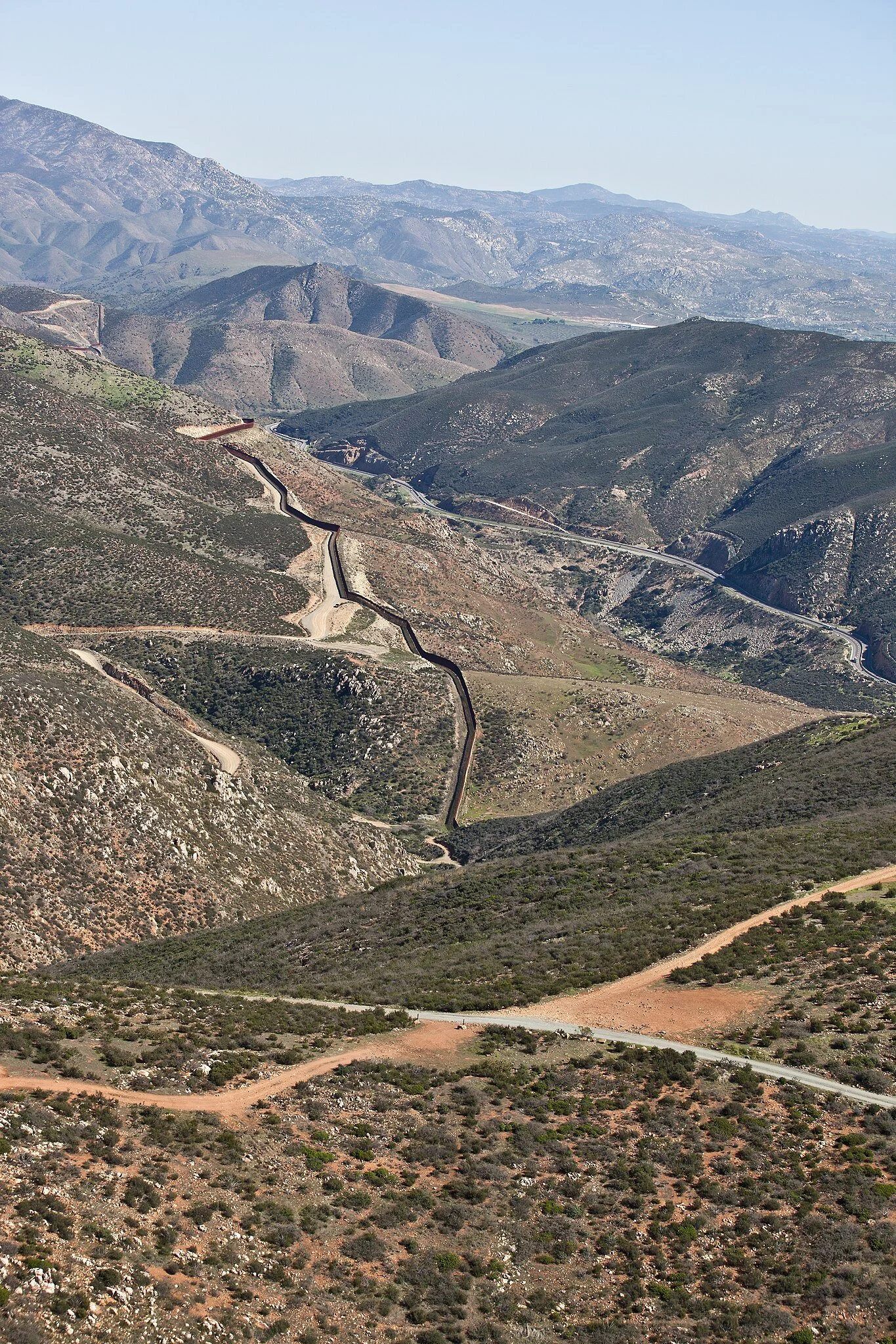
Border wall construction has left lasting scars on the land and its people. It has destroyed sacred cultural sites, cut off tribal communities from their ancestral territories, and forced the seizure of private land from families, farmers, and ranchers—often without their consent. In Texas alone, dozens of local governments and landowners have passed resolutions against the wall, yet their objections have gone unheeded.
Environmentally, the impacts are staggering. The wall fragments some of the most biologically rich and sensitive ecosystems in North America. It blocks wildlife migration routes, traps animals during floods, and disrupts access to water and food sources. Species like the jaguar, Mexican wolf, ocelot, and Sonoran pronghorn—already under immense pressure from climate change—face further habitat loss and isolation. One recent study found an 86% reduction in wildlife crossings in areas where border walls have been installed.
What’s more, this destruction has been carried out under sweeping legal exemptions. Since 2005, the Department of Homeland Security has been able to waive 83 environmental, cultural, and public health laws to expedite border wall construction. This includes laws meant to protect air and water quality, endangered species, tribal sovereignty, religious freedom, and public land management. Such unchecked authority erodes the legal protections that safeguard both people and the planet.
The border wall is a failed monument to political theater—built at great cost to communities, ecosystems, and our shared future. Rather than repeating the mistakes of the past, Congress should focus on repairing the damage already done, ending the practice of legal waivers, and investing in solutions that uphold the dignity of border communities and the integrity of our environment.
We urge Congress to oppose this $46.5 billion proposal and instead direct funds toward restoration, community safety, and responsible stewardship of our shared lands.
Take action: Let your representatives know that border walls are not the answer. Protect communities. Defend ecosystems. Invest in what truly makes us safe.
